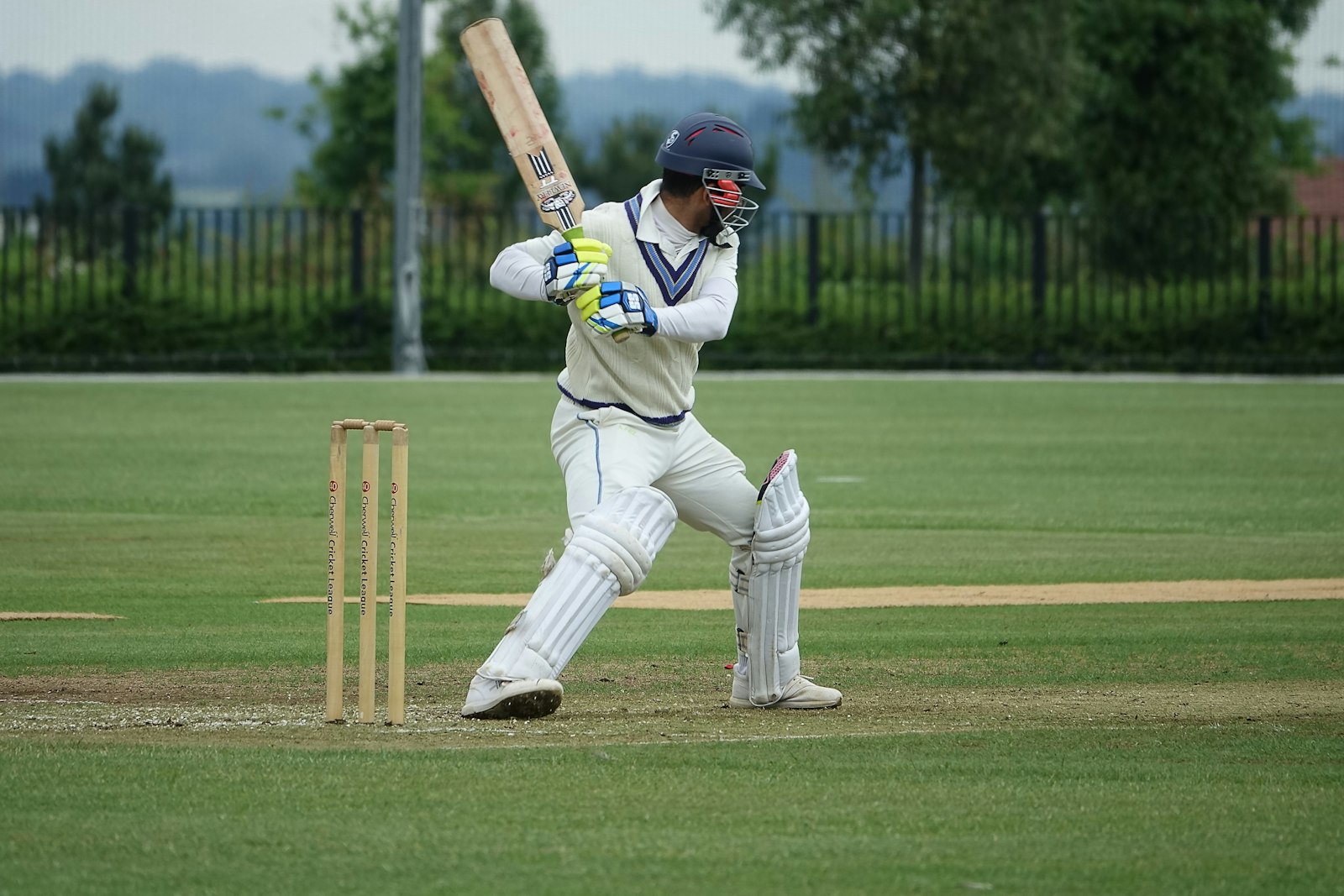
Vaibhav vs Rohit Sharma
The Boss Baby from Bihar vs the Hitman from Mumbai — at the same age
Rohit Sharma is arguably the most naturally gifted batter Indian cricket has ever produced. Three ODI double centuries — a feat no other batter in history has achieved — five IPL titles as captain of Mumbai Indians, and a late-career reinvention as a Test opener that produced 9 centuries in 18 months. The "Hitman" is a once-in-a-generation talent whose pull shot is considered the most elegant stroke in modern cricket.
At 15, Rohit Sharma was a talented teenager at Mumbai's MIG Cricket Club, training under coach Dinesh Lad, dreaming of a Ranji Trophy debut that was still four years away. Vaibhav Suryavanshi, at the same age, had already played 9 T20Is for India, won the IPL Orange Cap with 776 runs in a single season, scored 175 in a U19 World Cup final, and won an Asian Games gold medal.
This comparison isn't about who is the greater cricketer — Rohit has played 450+ international matches over 19 years. It's about the starting line: where each stood at 15, what the game looked like for them at that age, and what the trajectory ahead might hold.
Side-by-Side at Age 15
| Metric | Vaibhav Suryavanshi | Rohit Sharma |
|---|---|---|
| Age at International Debut | 15 yrs 99 days (T20I) | 20 yrs 52 days (ODI) |
| Age at IPL Debut | 14 yrs 23 days | 21 (IPL Season 1, 2008) |
| Age at First-Class Debut | 12 yrs 284 days | 19 (2006-07, Mumbai) |
| IPL Runs by Age 15 | 1,028 (23 matches) | N/A (IPL didn't exist) |
| Intl Runs by Age 15 | 250 (9 T20Is) | 0 |
| Centuries by Age 15 | 6 (across formats) | 0 (professional) |
| Sixes by Age 15 | 207+ | N/A |
| ICC Tournament by 15 | U19 WC POTM (175 in final) | None |
| IPL Titles (Career) | 0 (2 seasons played) | 5 (as MI captain) |
| ODI Double Centuries | N/A (no ODI debut yet) | 3 (world record) |
| T20I Strike Rate (Early) | 161.29 (9 matches) | 129.00 (first 9 T20Is) |
| Major Awards by 15 | Orange Cap, MVP, Emerging Player, AG Gold | Mumbai age-group selection |
| Batting Style | Left-handed opener | Right-handed opener |
| Hometown | Samastipur, Bihar | Borivali, Mumbai |
| Early Coach | Father (Sanjiv Suryavanshi) | Dinesh Lad (MIG Club) |
| Captaincy by 15 | India U19 (Asia Cup) | None |
Different Eras, Different Paths
Rohit was a product of Mumbai's cricket factory. Born in Bansod, Nagpur, but raised in Borivali, Mumbai, Rohit grew up in modest circumstances — his father was a caretaker at a transport company warehouse, and Rohit couldn't afford proper cricket equipment as a child. But Mumbai's unmatched cricket infrastructure gave him what raw talent alone couldn't: exposure, competition, and a pathway. He joined Dinesh Lad's coaching at MIG Cricket Club, played Harris Shield and Giles Shield school cricket — the same system that produced Sachin, Gavaskar, and countless India players — and climbed through Mumbai's age-group ranks.
Vaibhav had no system at all. Samastipur, Bihar, has no cricket academy, no established domestic circuit, and no history of producing international cricketers. Bihar Cricket Association was affiliated with BCCI only in 2017. Where Rohit had the Harris Shield, inter-school tournaments, and Mumbai's feeder system, Vaibhav had a father with a vision and a makeshift pitch in a village. The IPL was the great equalizer — it gave Vaibhav a platform to be seen that simply didn't exist in Bihar's cricket ecosystem before.
The IPL changed everything. When Rohit was 15, the IPL was still six years from being conceived. His pathway to recognition was the traditional one: Ranji Trophy, India A, then a call-up. Vaibhav, by contrast, was playing in front of 40,000 people in sold-out IPL stadiums at 14. The IPL compressed what used to take a decade of domestic cricket into two seasons. By the time Vaibhav made his India debut, he'd already faced more international-quality bowling in the IPL than most Indian cricketers face before their Test debut.
Financial realities. Rohit's family struggled to afford his cricket. His uncle helped pay his early coaching fees, and Rohit has spoken about sharing a one-room home with extended family. Vaibhav's family in Bihar faced similar constraints, but the IPL's auction system meant that by 14, Vaibhav had a ₹1.1 crore contract — financial security his family had never known. Rohit didn't earn comparable money until he was in his twenties.
The Opening Connection
One of the most fascinating parallels between Rohit and Vaibhav is their identity as openers — and the fact that opening wasn't always their destiny. Rohit spent the first six years of his international career batting in the middle order, often at number 6 or 7 in ODIs. He was talented but inconsistent, and there was genuine debate about whether he belonged in the Indian team at all. It was only in 2013, when MS Dhoni promoted him to open in the Champions Trophy, that Rohit discovered his true position — and became one of the greatest ODI openers ever.
Vaibhav, by contrast, was born to open. His father trained him as an opener from childhood — the aggressive, see-ball-hit-ball approach that defines his batting was built for the powerplay. By the time he reached the IPL at 14, there was never a question about his position. He opened for Rajasthan Royals from day one and never looked back.
What they share is the ability to make opening look effortless. Rohit's signature is the pull shot — a stroke he plays with such nonchalance that it looks like the ball is being dismissed rather than hit. Vaibhav's signature is the lofted drive over extra cover — a shot that requires supreme confidence in your hand-eye coordination to play against pace. Both are "timing over muscle" batters, though Vaibhav adds a six-hitting dimension that even Rohit didn't possess at the same age.
What Rohit Did Next
Rohit's career is a study in patience and transformation. After debuting in 2007, he spent years as a middle-order utility player — talented enough to produce occasional brilliance but not consistent enough to lock down a spot. His IPL career with Deccan Chargers (2008-2010) and then Mumbai Indians (2011 onwards) gave him a platform, but it was the MI captaincy in 2013 that changed everything.
As MI captain, Rohit won the IPL five times — 2013, 2015, 2017, 2019, and 2020 — the most by any captain in IPL history. His tactical acumen and calm temperament under pressure made MI the most dominant franchise in IPL history.
In ODIs, once promoted to open, the numbers became extraordinary. Three double centuries — 264 vs Sri Lanka (2014), 209 vs Australia (2013), and 208* vs Sri Lanka (2017) — a world record that may never be broken. He scored 30+ ODI centuries, averaging over 49 as an opener. The lazy elegance of his batting at the top of the order was a thing of beauty.
Perhaps the most remarkable chapter was his reinvention as a Test opener in 2019, at age 32. Moving to the top of the order in Tests — a position he'd never batted in at international level — Rohit scored 9 centuries in 18 months, including a double century. He later captained India in all three formats and led the team to the T20 World Cup 2024 title before retiring from T20Is.
The T20 World Cup 2024 final against South Africa — where India won their second T20 World Cup title — was Rohit's crowning moment as captain. He retired from T20Is after that victory, going out on top. Over 19 years, Rohit accumulated 10,000+ ODI runs, 4,000+ Test runs, 4,000+ T20I runs, and 6,000+ IPL runs — numbers that place him among the greatest batters in cricket history.
The IPL Factor
Rohit's IPL career is legendary — over 6,000 runs, multiple centuries, and 5 titles as captain. But he built that record over 17 seasons, starting at age 21. Vaibhav, at 15, already has 1,028 IPL runs in just 23 matches. His strike rate of 228.44 across those innings is significantly higher than Rohit's career IPL strike rate of around 130.
Rohit — IPL Career
6,000+ runs, 250+ matches, SR ~130, 5 titles as captain
Vaibhav — IPL So Far
1,028 runs, 23 matches, SR 228.44, Orange Cap (2026)
Rohit — IPL Centuries
2 (in 250+ matches over 17 seasons)
Vaibhav — IPL Centuries
3 (in 23 matches over 2 seasons)
The comparison is striking: Vaibhav has more IPL centuries in 23 matches than Rohit has in 250+. Rohit's IPL greatness was built on consistency and captaincy rather than individual run-scoring records. Vaibhav's, so far, is built on sheer scoring volume and devastating strike rates. They represent different models of IPL excellence.
What Rohit Said
"When I was 15, I was just trying to get into the Mumbai under-16 team. This boy is winning the Orange Cap in the IPL. The game has changed, and kids like Vaibhav are proof that talent doesn't care about where you come from. Bihar, Mumbai, it doesn't matter — if you're good enough, the IPL gives you a stage. What he's doing at his age is extraordinary."
— Rohit Sharma, on Vaibhav's IPL 2026 season
The Captaincy Question
Rohit Sharma is widely regarded as one of India's greatest captains. His tactical intelligence, ability to stay calm under pressure, and knack for winning knockout matches set him apart. Five IPL titles, a T20 World Cup, and a period of dominance in Test cricket as captain — Rohit's leadership legacy is formidable.
Vaibhav has already shown captaincy instincts — he led India U19 in the Asia Cup 2025 — but it's far too early to project whether he'll follow Rohit's path into senior captaincy. What's worth noting is that Rohit wasn't seen as captaincy material until MI gave him the armband in 2013 at age 26. Before that, he was considered too laid-back, too inconsistent. Leadership often reveals itself in unexpected ways and at unexpected times.
If Vaibhav continues on his current trajectory, the question of India captaincy will inevitably arise — not in the next few years, but by his early twenties. The precedent is clear: Kohli captained India at 24, Rohit took over at 35. Vaibhav has time.
From Borivali to Samastipur
Both Rohit and Vaibhav come from backgrounds that make their rise to the top of Indian cricket feel like a film script. Rohit grew up in a one-room apartment in Borivali, Mumbai, sharing space with his parents, uncle's family, and grandparents. His father earned a modest salary, and cricket equipment was a luxury. But Mumbai — despite the financial constraints — offered something invaluable: a cricketing ecosystem where talent could be spotted.
Vaibhav's story is even more improbable. Samastipur, Bihar, has no cricketing tradition. There's no Harris Shield, no Giles Shield, no MIG Cricket Club. There's no pathway that says "play well here and someone will notice." Vaibhav's father, Sanjiv, was a Bihar state-level cricketer who never got his own chance — and poured everything into his son. The training happened in village fields, with local bowlers, with no formal academy.
If Rohit's rise proved that Mumbai's cricket factory could still produce greatness from modest means, Vaibhav's rise proves something even more radical: that greatness can emerge from anywhere in India, even from a village in Bihar with no cricketing infrastructure at all. The IPL is the democratizer, but the raw material still has to be exceptional — and in both cases, it was.
The Verdict
Rohit Sharma's career speaks in a language of sustained, transformative greatness — 3 ODI double centuries, 5 IPL titles, a T20 World Cup, and the most graceful pull shot the game has ever seen. At 15, none of this existed. He was a teenager in Mumbai's sprawling cricket network, years away from his breakthrough. Vaibhav, at 15, has already played 9 T20Is, won the IPL Orange Cap, scored 175 in a World Cup final, and collected an Asian Games gold medal. The head start is not marginal — it's generational. But Rohit's genius took years to fully manifest. His career didn't take off until he was moved to open at 26, and his greatest achievements — the double centuries, the captaincy era, the World Cup win — all came after 30. Vaibhav's explosive beginning is historic. Whether the sustained brilliance that defined Rohit's career will follow is the story of the next two decades. The opening chapter, at least, is written in bolder ink.