Vaibhav Suryavanshi — A Father's Sacrifice
The story of Sanjiv Suryavanshi — who gave everything so his son could fly
"I sold my land so my son could play on every ground in India. When I saw him hit a cricket ball at four years old, I knew this boy was born for the game."
— Sanjiv Suryavanshi, Vaibhav's father
A Cricketer's Unfulfilled Dream
Sanjiv Suryavanshi was himself an aspiring cricketer. Growing up in Tajpur, a small village in the Samastipur district of Bihar, he played local-level cricket with genuine talent and deep passion for the sport. But the story of Indian cricket is full of talented players who never got the chance to play professionally — and Sanjiv was one of them.
Financial constraints, lack of infrastructure, and the absence of any cricket ecosystem in rural Bihar meant that Sanjiv's dreams of playing at a higher level remained unfulfilled. He had the ability but not the opportunity. In Bihar — a state that has historically been underrepresented in Indian cricket — there were no academies, no coaching programs, no scouts looking for talent in village fields.
But Sanjiv never let go of the dream. He simply transferred it to the next generation.
Spotting a Gift at Age Four
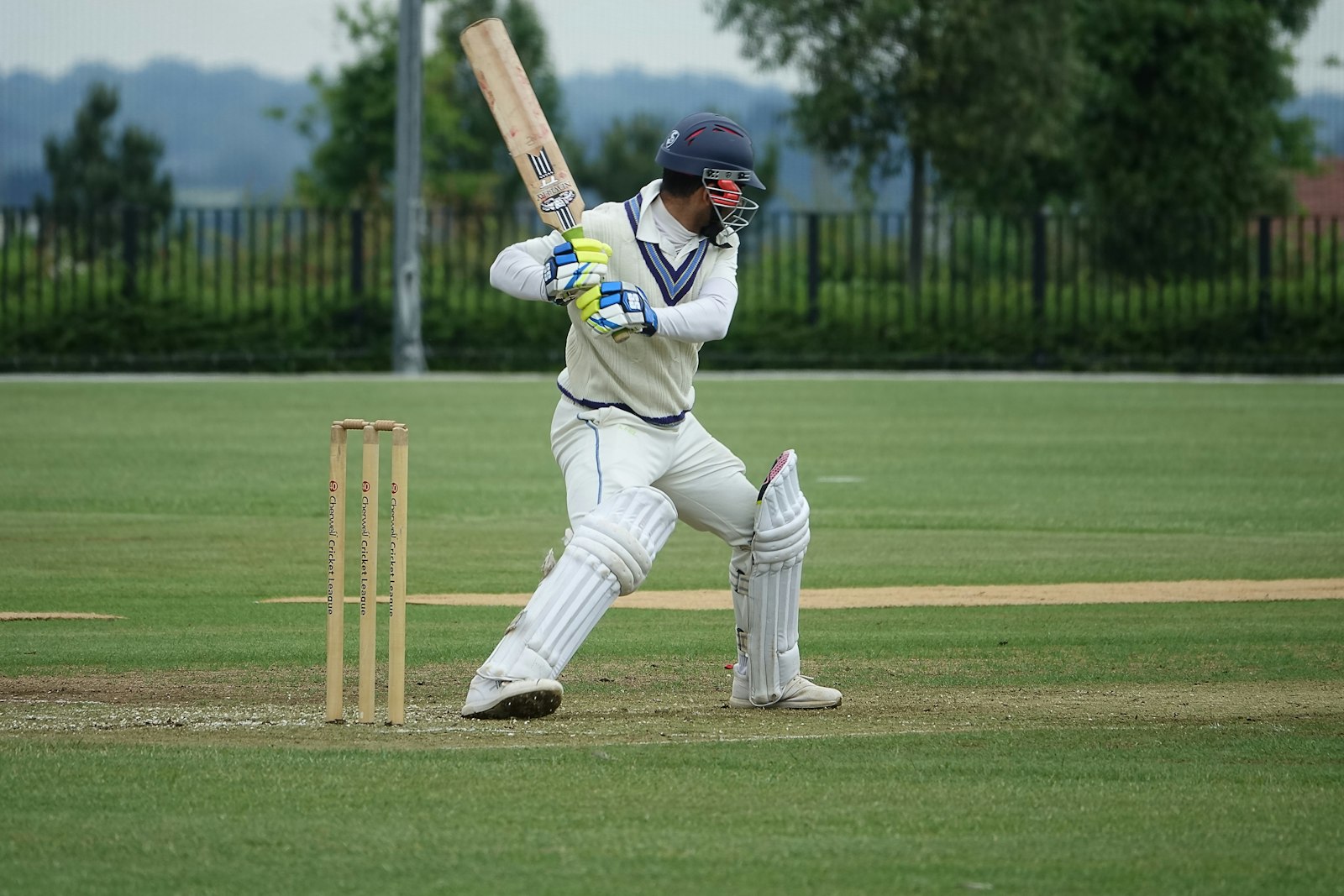
When Vaibhav was four years old, Sanjiv noticed something extraordinary. The child had remarkable hand-eye coordination — an instinctive ability to time the ball that was unusual for someone his age. Most four-year-olds can barely hold a bat properly. Vaibhav was hitting the ball cleanly, with a natural left-handed stance that looked like it had been coached for years.
"I knew from that moment," Sanjiv has said in interviews. "I had seen enough cricket to recognize talent. What Vaibhav had at four was something I hadn't seen in players twice his age. The timing, the balance, the way his eyes followed the ball — it was God-given."
From that day, Sanjiv made a decision that would define both their lives: he would do whatever it took to give Vaibhav the opportunity that he himself never had.
Training in Village Fields
Tajpur had no cricket academy, no nets, no coaching infrastructure. So Sanjiv built his own. He trained Vaibhav in the open fields of their village — the same fields where he had once played local cricket. A father's knowledge and a child's raw talent were the only resources available.
Every morning, before the sun was fully up, Sanjiv and Vaibhav would be in the fields. Sanjiv would bowl to his son for hours — working on technique, footwork, and shot selection. He used tennis balls, rubber balls, and eventually cricket balls as Vaibhav grew older. The pitch was uneven, the outfield was rough, but the training was disciplined and purposeful.
Sanjiv studied cricket coaching methods by watching YouTube videos and reading whatever material he could find. He couldn't afford professional coaching, so he became the coach himself. He analyzed Vaibhav's batting from every angle, identified weaknesses, and designed drills to fix them. The training regimen was rigorous — easily 4-5 hours a day, even during school holidays.
"Other children were playing games," Sanjiv recalls. "Vaibhav was practicing cricket. I sometimes worried if I was pushing him too hard. But he never complained. He loved it. The bat was his favorite toy, and the field was his playground."
Selling the Land — A Family's Sacrifice
Cricket is not a cheap sport to pursue in India. Equipment, coaching fees, tournament travel, accommodation — the costs add up quickly, especially for a family in rural Bihar. For the Suryavanshi family, the financial burden was immense.
Sanjiv made the most difficult decision of his life: he sold portions of the family's farmland to fund Vaibhav's cricket career. In rural Bihar, farmland is not just property — it's the family's livelihood, their security, their identity. Selling it was an act of extraordinary faith and sacrifice.
The money went to coaching fees when Vaibhav enrolled in a local academy. It paid for cricket equipment — bats, pads, gloves, helmets. It funded travel to tournaments across Bihar and eventually across India. It covered accommodation and food during away tournaments. Every rupee that came from selling the land was invested directly into Vaibhav's future.
"People in the village thought I was crazy," Sanjiv has said. "Selling land to make a boy play cricket? In Bihar, nobody had done that. But I had seen what Vaibhav could do. I wasn't gambling — I was investing in something I was certain about."
A Mother's Silent Strength
While Sanjiv focused on coaching and funding, Vaibhav's mother played an equally vital role. She would wake at 4 AM every day to prepare meals before Vaibhav's early morning practice sessions. She managed the household, stretched the family's limited finances, and ensured that Vaibhav had the nutrition he needed to train at high intensity.
When Vaibhav traveled for tournaments, she packed his bags, prepared food for the journey, and kept the household running in his and Sanjiv's absence. Her sacrifices were quieter but no less significant. Every success Vaibhav has achieved on the cricket field is built on the foundation of his mother's daily, invisible labor.
Vindication — From Village Fields to Old Trafford
When Vaibhav debuted in the Ranji Trophy at age 12, scoring 93 against Mumbai, Sanjiv's eyes were filled with tears. When Rajasthan Royals signed Vaibhav at the IPL auction for ₹1.1 crore, the entire village of Tajpur celebrated. When Vaibhav hit 101* off 38 balls in the IPL — the fastest century by an Indian — Sanjiv watched from the stands, overwhelmed.
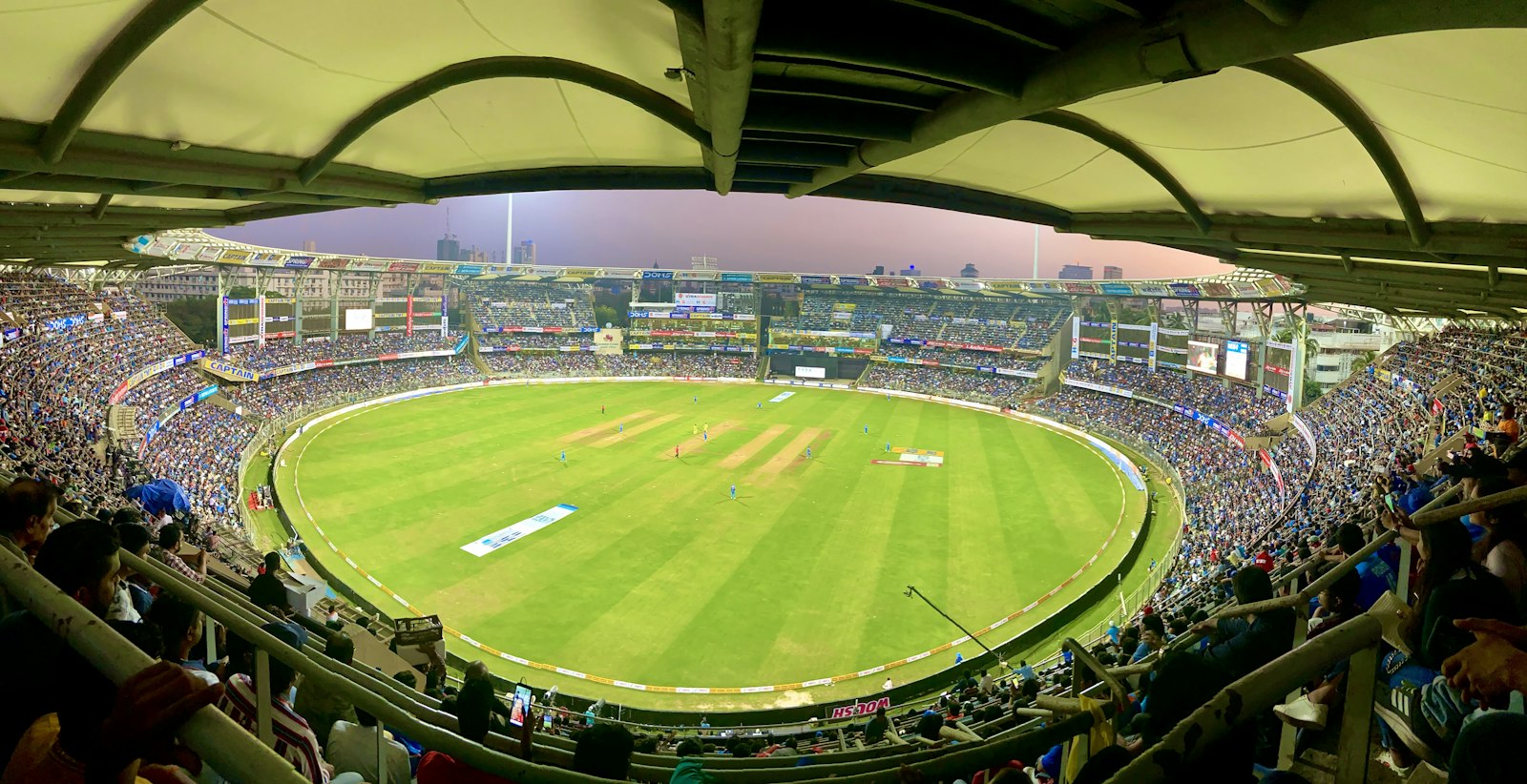
But the moment that vindicated everything — every rupee from the sold land, every 4 AM morning, every hour in the village fields — came on July 4, 2026. When Vaibhav walked out to bat for India at Old Trafford, Manchester, becoming the youngest Indian international cricketer in history, Sanjiv Suryavanshi's dream was finally complete.
"I cried," Sanjiv told reporters after the debut. "Not because I was sad, but because I remembered every morning in those fields. Every time someone told me I was wasting my money. Every time I wondered if I was doing the right thing. And now my son is playing for India. At Old Trafford. Against England. In front of the whole world."
The journey from Tajpur to Old Trafford is not just Vaibhav's story — it's Sanjiv Suryavanshi's story. A father who dared to dream, who sacrificed everything, who coached his son in village fields when the world wasn't watching. Every run Vaibhav scores carries the weight of his family's sacrifices — and the dreams of every small-town cricketer who never got the chance.
Father-Son Journey Timeline
2015
Sanjiv spots 4-year-old Vaibhav's extraordinary talent with a cricket ball
2015-20
Daily training in village fields of Tajpur — no nets, no academy, just father and son
2018-19
Sanjiv sells portions of family farmland to fund cricket equipment and coaching
2020
Vaibhav enrolled in local cricket academy in Samastipur — Sanjiv's investment pays for fees
2020-23
Vaibhav dominates Bihar age-group cricket — Sanjiv travels with him to every tournament
Jan 2024
Ranji Trophy debut at 12 — 93 vs Mumbai. Sanjiv watches from the stands, overwhelmed
Dec 2024
IPL auction — RR signs Vaibhav for ₹1.1 crore. Village of Tajpur celebrates
Apr 2025
IPL debut — six off first ball. Sanjiv's tears of joy broadcast on national TV
Apr 2025
101* off 38 vs GT — fastest IPL century by an Indian. Father and son embrace at the boundary
Feb 2026
175 in U19 World Cup final — Sanjiv watches from Harare as his son makes history
Jul 2026
India T20I debut at Old Trafford — youngest Indian cricketer ever. The dream is complete
"Every run he scores carries the weight of his family's sacrifices — and the dreams of a billion fans."
The Suryavanshi Legacy